Off-Grid Resilience: What the Nordic Wilderness Can Learn from the Outback’s Biofuel Charging
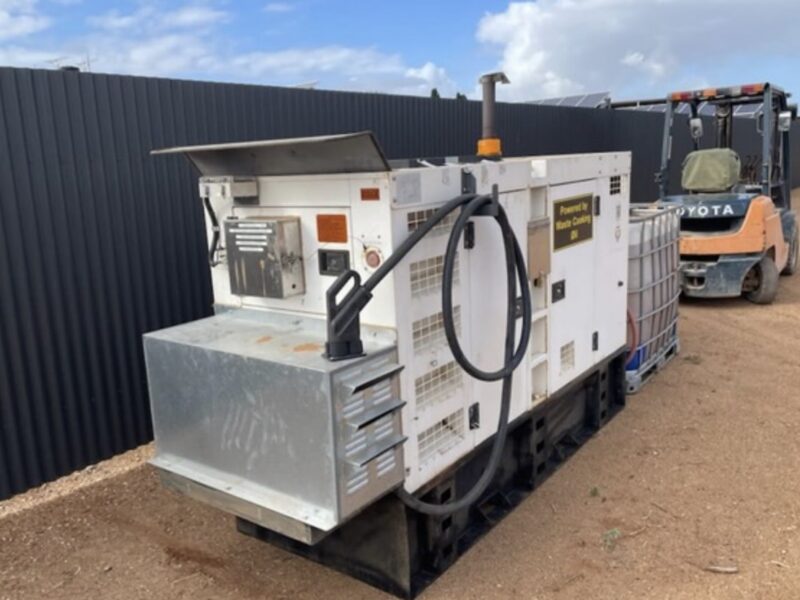
Traveling long distances in an electric vehicle is the ultimate modern journey (ᚱ). However, as infrastructure struggles to keep pace in remote regions, pioneers are forced to innovate. In Australia's vast Nullarbor Plain, a 650 km stretch of highway has recently seen EV drivers facing up to 14-hour travel times, with more than half of that spent waiting on slow trickle-charging due to local grid limitations. The solution to this remote bottleneck? The return of the "Biofil" charger, powered by waste canola oil. This sustainable, closed-loop generator acts as a bridge where the traditional electrical grid cannot reach.
For EV enthusiasts embarking on their own journeys (ᚱ) across the Nordic wilderness—from the windswept fjords of Norway to the subarctic forests of northern Sweden and Finland—this scenario serves as both a warning and an inspiration. While our region boasts some of the most advanced EV infrastructure in the world, our northernmost routes still present challenges, especially during harsh winter months when battery efficiency drops and remote grid nodes are strained.
True energy independence relies on the philosophy of the harvest (ᛅ)—utilizing local, decentralized, and sustainable resources to power our lives. Whether it is repurposing waste biofuels, harnessing local hydro and wind, or deploying mobile battery storage buffers, securing remote charging routes is essential for a seamless Nordic transition. By embracing creative off-grid solutions, we ensure that no traveler is left stranded, and the journey (ᚱ) remains uninterrupted.
Source: https://thedriven.io/2026/06/09/blackouts-trickle-charging-and-long-waits-canola-oil-returns-to-nullarbor-to-rescue-ev-travellers/
https://thedriven.io/2026/06/09/blackouts-trickle-charging-and-long-waits-canola-oil-returns-to-nullarbor-to-rescue-ev-travellers/See more Insights